
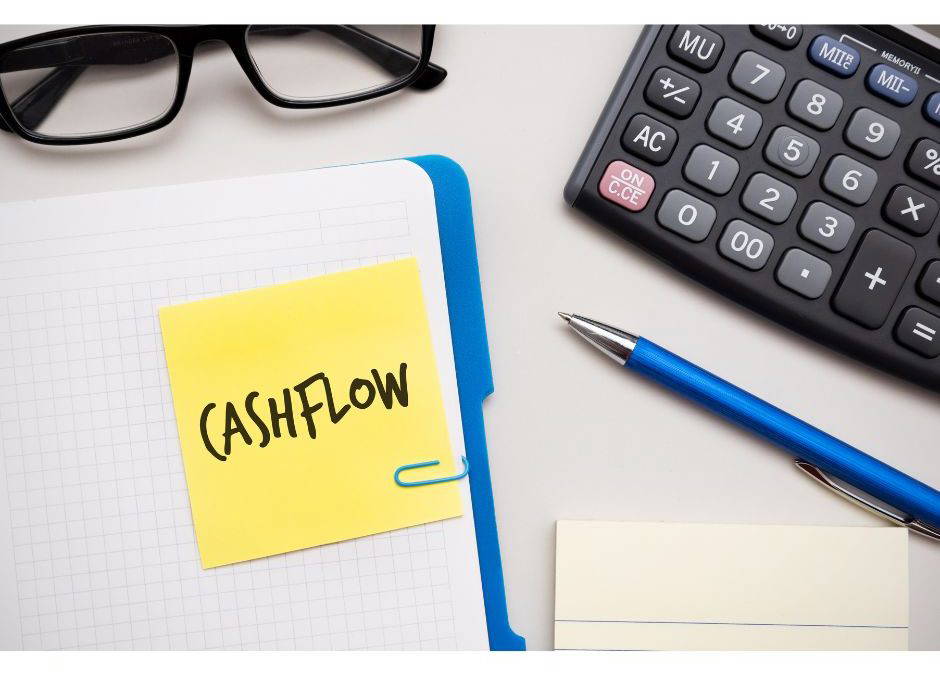
Unpaid invoices, seasonal fluctuations and unexpected expenses are part and parcel of running a small business. On top of that, you’ve got everyday costs to manage – which can be tough when margins are tight. Even profitable businesses can run into trouble if cash flow isn’t steady.
Whilst there will always be factors outside of your control, there’s still a lot that you can do. With the right approach, you can manage cash flow more effectively, stay resilient during slower periods, and make the most of the good times.
Speed up the inflows
Aim to send invoices as soon as possible after your service is delivered and ensure the terms are easy to digest. Any overly complex details can quickly send your invoice to the bottom of your client or customer’s to-do list.
Depending on your industry and clientele, you might take extra precautions by running credit checks or seeking other financial assurances before you agree on selling your service. This can help reduce the risk of late or non-payments.
Manage the outflows
You might be eager to get everything and everyone paid as soon as possible. But when cash is tight, you should aim to prioritise essential expenses over non-essential ones. Delaying or spreading non-critical payments can smooth cash outflows and avoid you being left short.
Do you rely on suppliers? Consider negotiating better payment terms that ease the pressure on your outgoings. Your approach is key here – you don’t want to harm relationships, but a healthy negotiation could work wonders.
Use financing strategically
Invoice factoring is when you sell your outstanding customer invoices to a third party to receive an immediate cash advance. It comes with a percentage fee, but it can be a highly effective way to consistently alleviate cash flow pressures.
If you need them, other forms of lending are available – from traditional bank loans to asset financing. But to be clear, never enter into financing without planning ahead and researching exactly which kind of service is right for your needs. An accountant or financial advisor can help here.
Forecast and plan
Cash flow forecasting, when done effectively, will give you the invaluable foresight to project cash inflows and outflows weekly, monthly or annually. This empowers you to act ahead of time on any slow periods, rather than reacting when it’s already too late.
Importantly, you can’t predict everything. But you can prepare for the unexpected, building a buffer into your forecast. This is also known as scenario planning, where both foreseeable and unforeseeable events are accounted for ahead of time.
Increase revenue
This might sound obvious, but when you’re wrapped up in the day-to-day running of your business, you might miss out on opportunities to upsell or cross-sell your services. Existing clients and customers already value what you do, so use that to your advantage.
If seasonal fluctuations affect your cash flow and it makes sense in your line of work, consider promotions during this time. Alternatively, put the work in to maximise busy periods so you have something to fall back on when things wind down.
Speak to a cash flow expert
When executed well, cash flow management goes from being a survival tool to a growth driver. The key is to be proactive and intentional with it. That’s not easy when you’re busy, which is why small businesses partner with us here at Nabarro Poole.
We provide growth-ready accountancy services all year round. From tax planning to forecasting and management accounts, get in touch to see how we can help.
Recent Comments