What are Benefits in Kind?
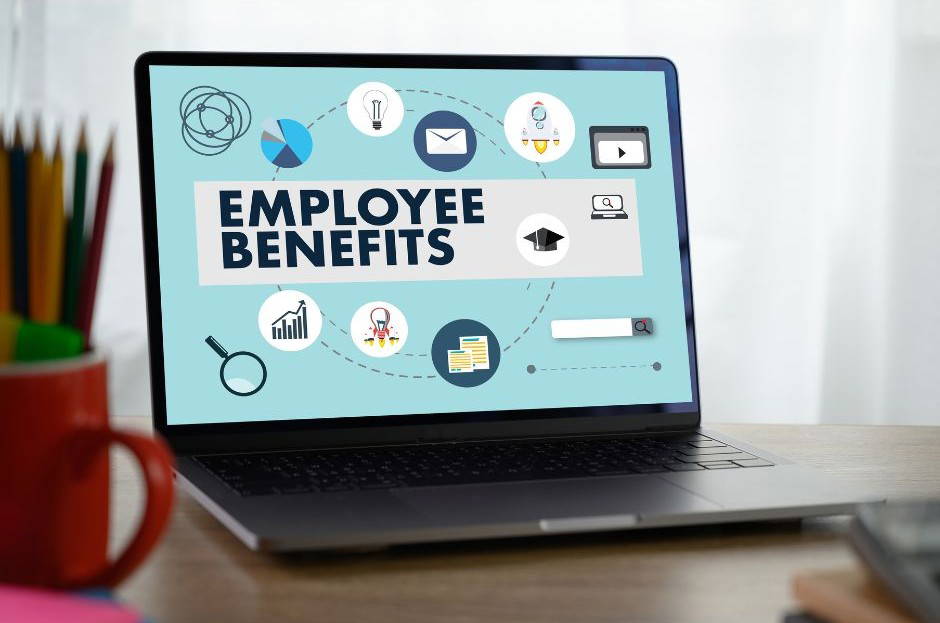
Benefits in Kind (BIKs) are non-cash perks you provide to employees in addition to their salary. Common examples include company cars, private medical insurance, mobile phones, low-interest loans, or reimbursed personal expenses. For small businesses, offering benefits can be a cost-effective way to reward your team, improve staff retention, and remain competitive when attracting new talent. However, these benefits also come with important tax and reporting responsibilities.
Understanding the tax position
In most cases, Benefits in Kind are taxable. The value of the benefit is treated as additional income for the employee and may also give rise to employer National Insurance contributions. Employers must report these benefits to HM Revenue & Customs, either by processing them through payroll or through an annual benefits reporting process. Managing this correctly ensures the right amount of tax is collected and helps avoid unexpected liabilities for both the business and its employees.
Why accuracy matters
Errors, omissions, or missed deadlines can lead to penalties and interest, as well as unnecessary administrative work. Incorrect reporting may also result in employees receiving unexpected tax code changes, affecting their take-home pay and potentially causing concern. Keeping accurate records and reviewing your position regularly helps avoid problems later.
Choosing tax-efficient benefits
The type of benefit you provide can make a significant difference to the overall tax cost. For example, company cars are taxed based on their list price and CO₂ emissions, meaning electric vehicles are often far more tax-efficient than petrol or diesel alternatives. Some benefits, such as workplace pension contributions, certain business-related training, and one mobile phone per employee, may be exempt from tax if structured correctly.
Salary sacrifice arrangements may also be suitable in some circumstances, allowing employees to exchange part of their salary for specific benefits. However, the rules can be complex and not all benefits qualify for favourable treatment, so careful planning is essential.
How we can help
Regularly reviewing your benefits package helps ensure you remain compliant while providing meaningful and cost-effective rewards for your team. A well-planned approach can control employer costs, reduce tax risks, and support employee wellbeing and engagement.
If you’d like support reviewing your current arrangements, introducing new benefits, or ensuring your Benefits in Kind are reported correctly, please Get in touch – our team would be happy to help you put the right approach in place.
Recent Comments